
Retail Tariff Design Restructuring
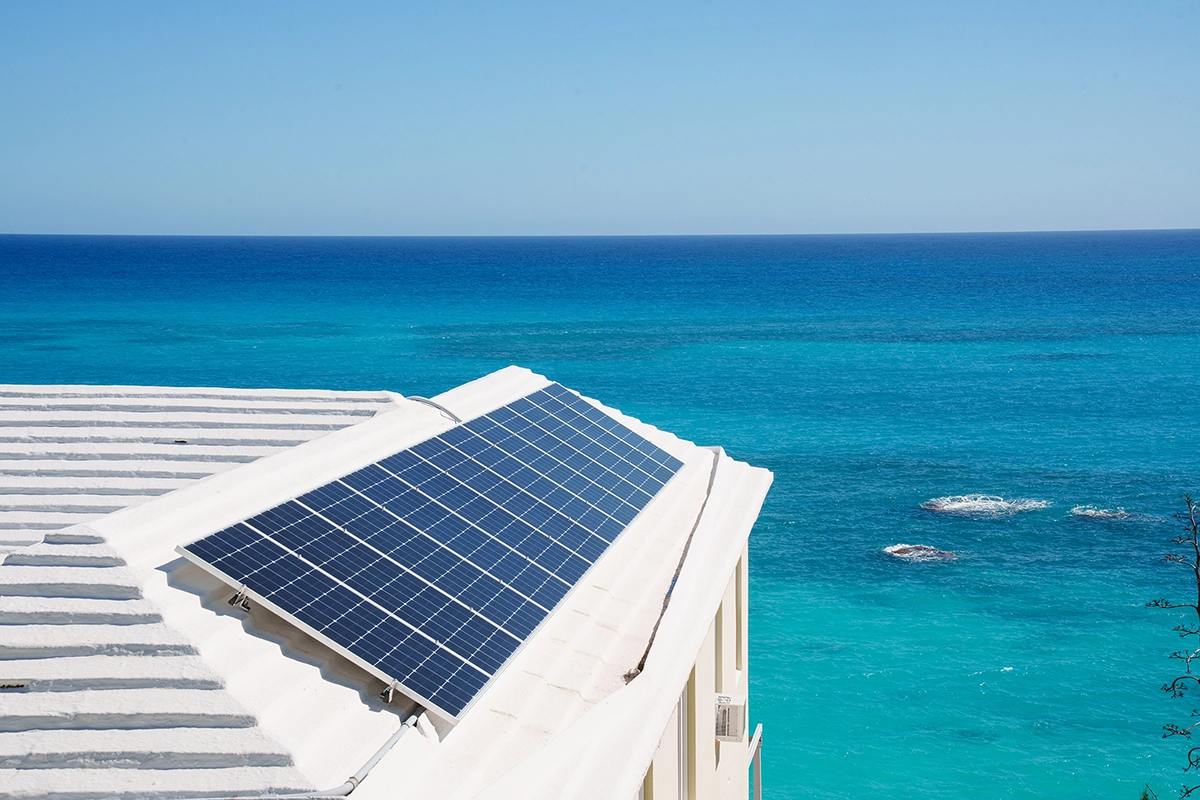
The Regulatory Authority of Bermuda has redesigned the electricity rate structure to better reflect how the grid actually operates today. Fixed charges now align more closely with infrastructure costs, solar customers have updated tariff classes, and bills separate generation from network charges. Learn why fairness and grid reliability drove this change.
Why The RA Redesigned Bermuda's Electricity Rates
When electricity bills change, the first question most people ask is simple: Why?
The answer is not simply that electricity has become more expensive. The redesign is about ensuring Bermuda's electricity pricing better reflects how today's electricity system operates while supporting fairness, transparency and the long-term sustainability of the island's electricity grid.
Under the Electricity Act 2016, the Regulatory Authority of Bermuda (RA) is responsible for efficiency, supporting fair pricing, safeguarding the long-term interests of Bermuda's consumers, and maintaining a secure, reliable and financially sustainable electricity system. Those responsibilities require the RA to regularly review to ensure electricity rates continue to reflect the actual costs of providing service and that those costs are being shared fairly across all customers.
Why the Previous Structure Needed to Change
Bermuda's electricity rate structure remained largely unchanged for many years, but the electricity system itself has evolved significantly. Overall, electricity consumption has declined while the number of customers generating their own electricity through rooftop solar and other distributed generation has continued to grow. Although these customers purchase less electricity from BELCO, they remain connected to and dependent on the grid whenever their systems are not producing enough electricity, such as overnight or during periods of poor weather.
At the same time, the cost of maintaining Bermuda's electricity infrastructure has increased. The poles, wires, substations and other equipment that deliver electricity to every home and business must be maintained regardless of how much electricity customers purchase. These are fixed costs that exist to ensure power is available whenever it is needed.
Under the previous rate structure, too much of those fixed infrastructure costs were recovered through energy consumption charges rather than through charges that reflected customers' ongoing access to the electricity network. As electricity consumption patterns changed, some customers ended up paying a greater share of the costs of maintaining the grid than others.
Independent technical analysis confirmed this mismatch. An overwhelming majority of BELCO's revenue requirement is associated with maintaining customer connections and ensuring sufficient network capacity, while only a small proportion is directly related to the amount of electricity consumed.
What Has Changed
The approved redesign introduces three key improvements.
1) It better aligns fixed charges with the cost of maintaining the electricity grid, ensuring customers contribute more fairly based on their reliance on the network.
2) Customers who generate some of their own electricity through distributed generation will now have tariff classes that more accurately reflect their continued reliance on the grid for backup power and system support.
3) Electricity bills will become easier to understand through the introduction of unbundled charges. Rather than presenting a single energy charge, bills will separately identify the cost of generating electricity and the cost of transmitting and distributing it across Bermuda's electricity network.
Balancing Fairness with Grid Stability
One of the RA's most important responsibilities is balancing several objectives that are equally important to Bermuda's energy future. Electricity prices must be fair. Customers should understand what they are paying for. The electricity grid must remain reliable and financially sustainable. Achieving one of these objectives cannot come at the expense of the others.
Every customer pays for electricity. Every customer also depends on the grid.
Whether a customer purchases all of their electricity from BELCO or generates some of it themselves, the grid must remain available every minute of every day to every resident and every business. Ensuring that customers contribute appropriately to maintaining that shared infrastructure helps preserve a safe, reliable and resilient electricity system for the entire island.
A Long-Term Regulatory Decision
The redesign was not developed overnight. The review began in 2022 and included public consultation, independent expert advice, multiple rounds of technical modelling and detailed regulatory assessment before being approved in 2026. It also responds directly to the Ministerial Direction issued on 2 May 2025, requiring the RA to consider differentiated tariff classes based on customers' reliance on the electricity grid. While the Direction reinforced the policy objective, the regulatory review had already been underway for several years.
This redesign is not about increasing the overall amount recovered from customers. It is about improving how those costs are allocated, making electricity bills more transparent, supporting fair pricing and helping ensure Bermuda's electricity system remains reliable and financially sustainable for years to come.
For more information, please read the Retail Tariff Restructuring Public Report.